


 Send Inquiry
UHF RFID Reader
Price 60000 INR/ Piece
MOQ : 1 Piece
UHF RFID Reader Specification
- Transmission Power
- Adjustable, up to 30dBm
- Connectivity Type
- Ethernet, RS232, RS485
- Frequency Band
- 860-960 MHz
- License Free
- Yes
- Standard
- ISO18000-6C/EPC Gen2
- Mounting Type
- Wall mounting / desktop mounting available
- Antenna Type
- External directional antenna (SMA connector)
- Channel Spacing
- 200 kHz
- Interface
- RS232, RS485, TCP/IP, Wiegand
- Size
- 260mm x 170mm x 50mm
- Operating Mode
- Continuous and triggered scanning
- Technology
- UHF RFID (Ultra High Frequency Radio Frequency Identification)
- Special Features
- Long read range, multi-tag reading, anti-collision algorithm
- Remote Control
- Supported via network interface
- Application
- Asset tracking, inventory management, warehouse automation, access control
- Power Supply
- DC 12V/3A
- Output Formats
- RS232, RS485, Wiegand, TCP/IP
- Supported Protocols
- TCP/IP, UDP, HTTP, Wiegand
- EMC Compliance
- EN 301 489-1
- Read Distance
- Up to 15 meters (environment dependent)
- Baud Rate
- 9600-115200bps
- Tag Reading Speed
- Up to 400 tags/sec
- Weight
- Approx. 1.2 kg
- Protection Grade
- IP65 industrial-grade enclosure
- Number Of Ports
- 4 antenna ports
- Humidity Range
- 5% to 95% non-condensing
- Tags Supported
- EPC Class 1 Gen2, ISO18000-6C
- Indicator Lights
- Power, status, and data communication indicators
- Firmware Upgrade
- Remote and local upgrade supported
- Data Buffer
- 32K bytes
- Operating Temperature
- -20°C to +55°C
UHF RFID Reader Trade Information
- Minimum Order Quantity
- 1 Piece
- Supply Ability
- 1 Piece Per Day
- Delivery Time
- 1 Days
UHF RFID Reader About
We are a profound manufacturer of UHF RFID Reader in the market. Active UHF RFID applications are frequently used in industries such as transportation, oil and gas, and vehicle tracking. Because active tags beacon, UHF RFID Reader makes it easier to read while moving and is ideal for tracking cargo containers and vehicles.
| Type Of Reader | RFID Reader |
| Identification Method | RF |
| Brand | Honeywell |
| Sensor Type | Optical Sensor |
| Item Code | RF |
| Operating Temperature | 0 to +45 Degree Celsius |
| Installation Type | Wall Mounted |
| Model Name/Number | RF |
| Display Type | Digital |
| Protocol | SDT |
| Max Receive Sensitivity | SS |
| Data Ports | RF |
Reliable Performance in Demanding Environments
This RFID reader operates efficiently under a wide range of temperatures and humidity, thanks to its IP65-rated enclosure. Designed for industrial settings, it seamlessly integrates into warehouse, manufacturing, and asset-tracking workflows, with adjustable transmission power and external antenna options ensuring optimal coverage and flexibility.
Advanced Multi-Tag Reading and Data Management
Powered by a high-speed anti-collision algorithm, the reader captures up to 400 tags per second, making it suitable for environments where rapid, accurate data capture is crucial. Its 32K byte buffer and multiple output formats streamline data transfer to enterprise systems for inventory and access control applications.
Easy Integration and Flexible Control
Featuring four antenna ports, support for remote network control, and compatibility with leading protocols (TCP/IP, UDP, HTTP, Wiegand), this RFID reader is designed for easy installation and expansion. Its fast baud rate and remote/local firmware upgrades minimize downtime and ensure ongoing system adaptability.
FAQ's of UHF RFID Reader:
Q: How does the UHF RFID Reader achieve long-distance tag reading?
A: The reader uses a high-frequency 860-960 MHz spectrum with an external directional antenna and adjustable transmission power (up to 30dBm) to reach distances of up to 15 meters, depending on environmental factors and antenna placement.Q: What process is involved in upgrading the firmware of the RFID reader?
A: Firmware upgrades can be performed remotely via the network interface or locally through direct connection, ensuring the reader remains updated with the latest features and performance enhancements without interrupting operations.Q: When should I use continuous versus triggered scanning modes?
A: Continuous scanning is ideal for real-time, high-volume tag detection, such as conveyor systems; triggered scanning is suited for controlled reading scenarios, such as point-of-entry access control, where scans occur based on an external signal or event.Q: Where can the RFID reader be mounted in a typical facility?
A: The device supports both wall and desktop mounting options, allowing installation at entry points, asset retrieval areas, or surveillance sections of a warehouse or factory for optimal tag coverage.Q: What are the key benefits of the anti-collision algorithm in multi-tag environments?
A: The anti-collision algorithm enables reliable reading of multiple tags simultaneously, reducing missing data and preventing read errors, which is crucial for inventory tracking or automated warehouse operations.Q: How is data securely and efficiently transmitted from the RFID reader?
A: Data is transmitted via standard interfaces such as TCP/IP, RS232, RS485, and Wiegand, with supported protocols ensuring compatibility and security within enterprise IT and automation systems.Q: What usage limitations should be considered regarding environment and compliance?
A: The reader is compliant with EMC standards (EN 301 489-1), operates within a temperature range of -20C to +55C and humidity range of 5% to 95% (non-condensing), making it suitable for various industrial sites across India without requiring a spectrum license.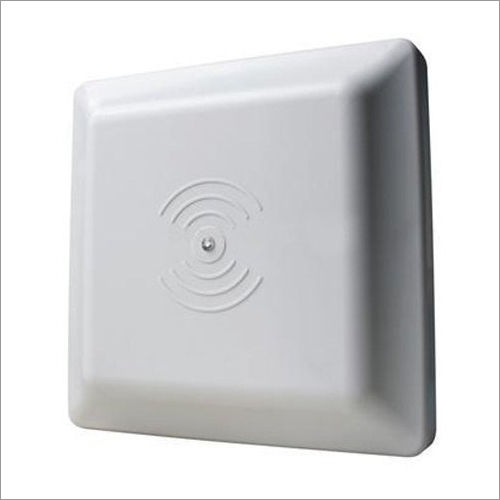
Tell us about your requirement

Price:
Quantity
Select Unit
- 50
- 100
- 200
- 250
- 500
- 1000+
Additional detail
Mobile number
Email

More Products in RFID Reader Category
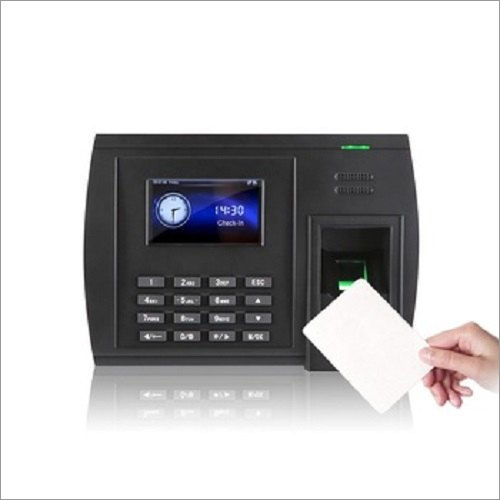
RFID For Time Attendance System
Price 10000 INR / Piece
Minimum Order Quantity : 1 Piece
Connectivity Type : USB, TCP/IP, RS232, RS485
Power Supply : DC 12V/2A Adapter
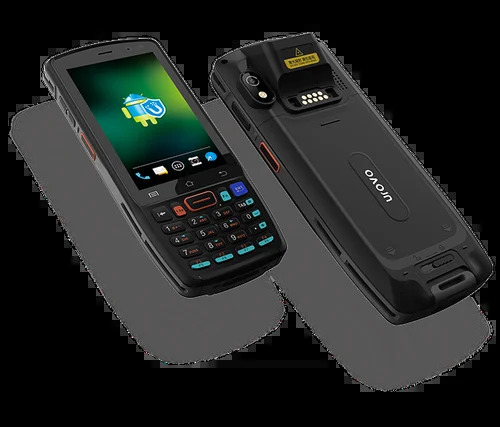
Urovo DT40 Mobile barcode scanner
Price 15000 INR / Piece
Minimum Order Quantity : 1 Piece
Connectivity Type : Wireless
Color : Black
Power Supply : Electric
Material : Plastic
UHF RFID Reader if2b
Price 60000 INR / Piece
Minimum Order Quantity : 1 Piece
Connectivity Type : Wireless
Color : White
Power Supply : Electric
Material : Plastic
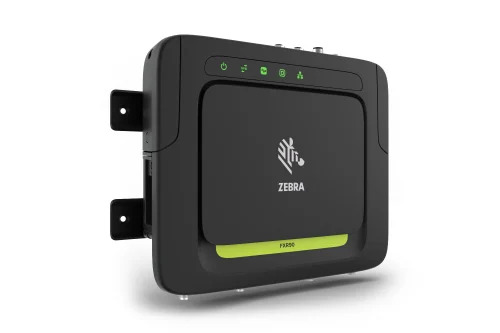
Zebra Fixed Rfid Reader
Price 60000 INR / Piece
Minimum Order Quantity : 1 Piece
Connectivity Type : Wireless
Color : Black
Material : Pet

HONESTATTVA IT SOLUTIONS PRIVATE LIMITED
GST : 24AAECH4103Q1ZK
Contact Details

- B No 02, Ground Floor, Near New RBI Lane, Ashram Road,Ahmedabad - 380014, Gujarat, India

- Mr. Hardik (Director)
- Mobile :08045816199


HONESTATTVA IT SOLUTIONS PVT. LTD.
All Rights Reserved.(Terms of Use)
Developed and Managed by Infocom Network Private Limited.
Developed and Managed by Infocom Network Private Limited.


 English
 Spanish
 French
 German
 Italian
 Chinese (Simplified)
 Japanese
 Korean
 Arabic
 Portuguese